about
Sri Prasad

Sri Prasad

Founder

ABOUT Founder

Helping Each Other can Make World Better

about

I and You Being Together Founder

I and You Being Together Foundation® is a non-profit making, non-religious and volunteer organization

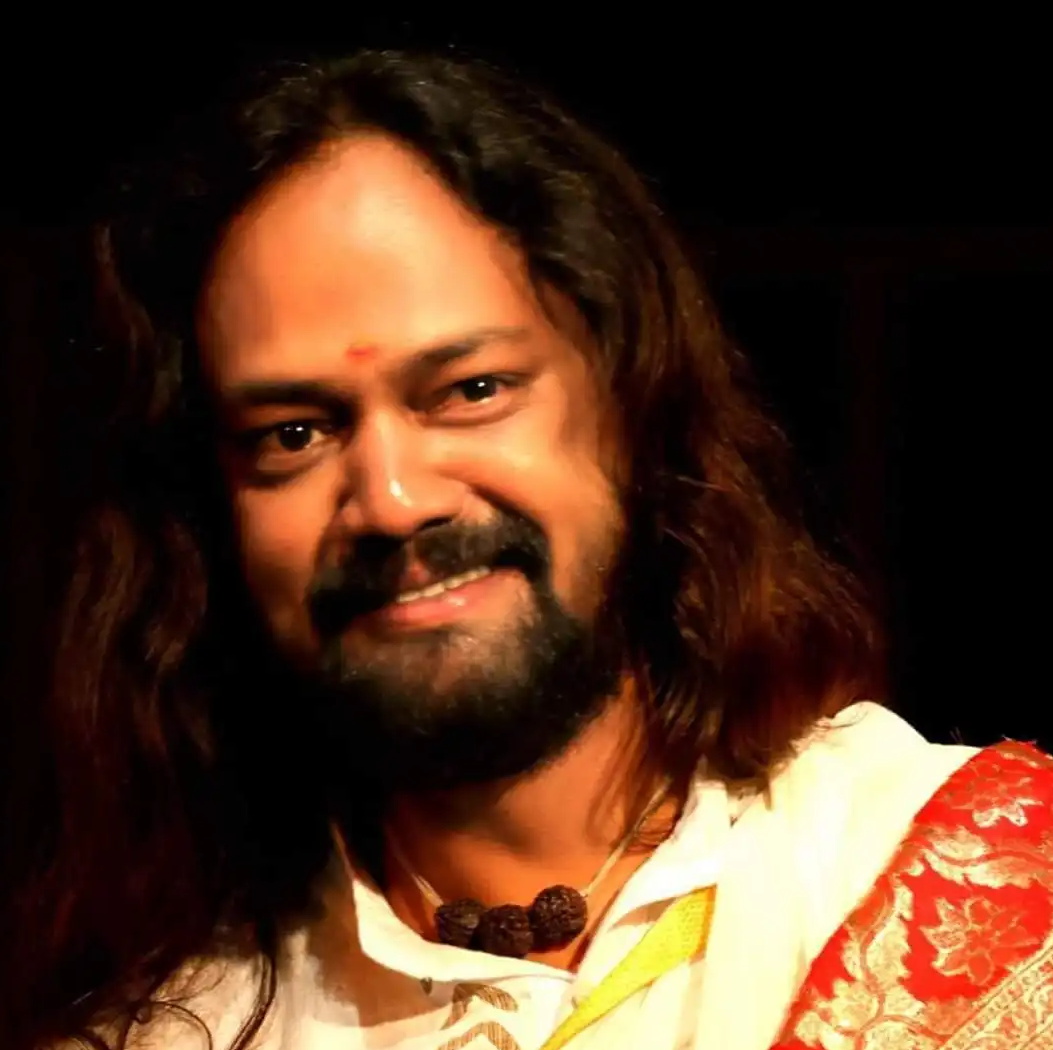
Sri M. Naveen Prasad an Indian spiritual master, reverently referred to as "Sri" and “Guruji " founded I and You being together foundation in 2012, a Non- religious , Non- Profit, Volunteer-based NGO for providing moral and social support to people with his divine intuitive ability to resolve problems related life and diseases that fall under daivavyapashraya(the subtlest mode of treatment as specified in ayurevda), the NGO also engages in services Socially, Environmentally and for Girl Child Education.

cleenhearts

About the organization

I and You Being Together Foundation

I and You Being Together Foundation® is a non-profit making, non-religious and volunteerorganizationwhichwasestablishedintheyear2012by DrSriPrasad.

Dr Sri Prasad having tread the path of yoga from the age of 5 under the guidance of his father who was his first guru, he is one of the eminent teachers of Spiritual Science and a research scholar, having won multitude of hearts by imparting knowledge through ESHWARI KRIYA a 20min unique yogic technique to create a disease free, stress free and holistic society has brought many likely minded together globally.

Location

Project location Karnataka, India

Rural Karnataka and major remote places that are located away from mainstream villages face scarcity of running water and major households in the remote rural parts of the state has less access to no electricity. The remote villages lack roads and there is only minimal public transport facility 60% of the households in the village consists of backward classes and minorities with secondary and primary schools in the village and the school management is centralised and state government operated. This means each school is managed by locally elected body/ committee which in turn is managed by the state and the teacher's salary is paid directly by the state government.

Present Education Status

The importance of education in India is indeed rising with passing time. Though India has always been a great source of learning for many years, it still needs to improve not just on the quality of education but also on the number of people being educated. In India, still many are deprived of education mainly due to poverty and less accessibility educational services. The lack of education, adds to the vulnerability of children for forcing them into social evils of child labour and crime.

The Indian education landscape saw significant developments during the 11th Plan. There was a surge in school enrollments, and gender and social category gaps in enrollments narrowed considerably. Expansion of school infrastructure and facilities significantly widened access to schooling, and incentives and child entitlements, such as textbooks, mid day meals and uniforms began reaching a considerably large number of children. The most significant development, however, was that Article 21-A, inserted in the Constitution of India through the Constitution (86th Amendment) Act, 2002 to make elementary education a fundamental right, and its consequential legislation, the Right of Children to Free and Compulsory Education (RTE) Act, 2009, became operative on 1st April 2010. This development has far reaching implications for elementary education in the years to come: it implies that every child has a right to elementary education of satisfactory and equitable quality in a formal school which satisfies certain essential norms and standards.

School-age population by education level
Pre-primary 72,502,983
Primary 122,520,399
Secondary 167,369,665
Tertiary 115,676,751
Our Aim

Aims and objectives

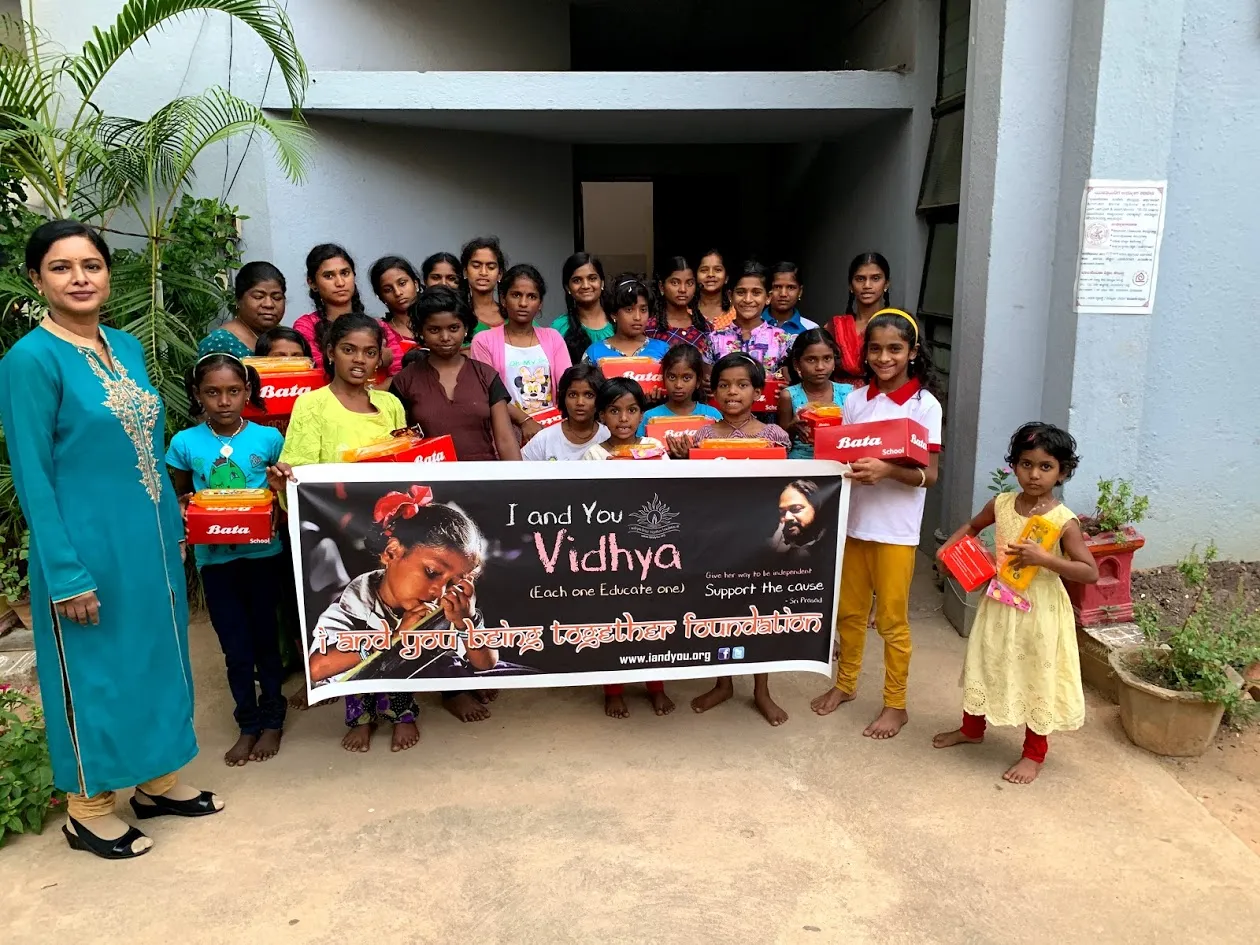
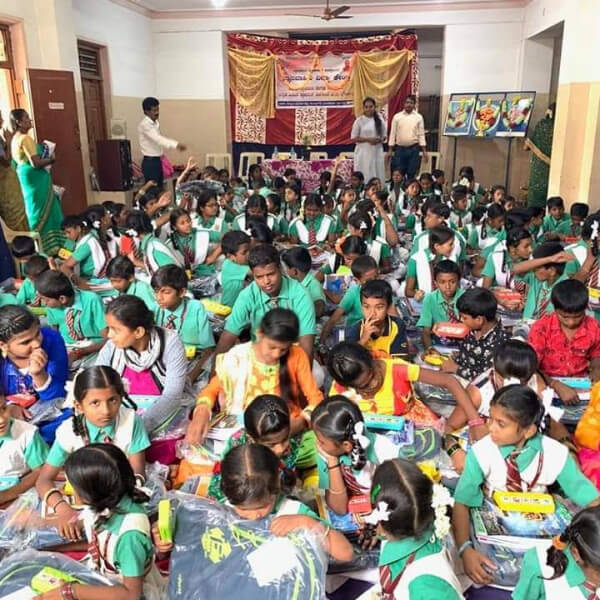
Overall aim of the project is to improve the female literacy levels, particularly of the backward class and labor communities in rural localities.
  • Raising awareness about the importance of girl's education in rural communities.
  • To provide education and related supplies to the girls who are from the under-privileged families.
  • Supporting the local people with hand skills by contracting part time/full time teachers which will create livelihood opportunities for under-privileged women
  • Create a conducive relationship with local government bodies, schools, teachers, parents & locals to improve schooling environment and to help encourage more girls into schooling.
Our Approach

Holistic Approach

DECREASE INFANT MORTALITY

Children of educated women are less likely to die before their first birthday. Girls who receive an education are less likely to contract HIV & AIDS, and thus, less likely to pass it onto their children. Primary education alone helps reduce infant mortality significantly, and secondary education helps even more.

DECREASE MATERNAL MORTALITY

Educated women (with greater knowledge of health care and fewer pregnancies) are less likely to die during pregnancy, childbirth, or during the postpartum period. Increased education of girls also leads to more female health care providers to assist with prenatal medical care, labour and delivery, delivery complications and emergencies, and follow-up care.

DECREASE CHILD MARRIAGE

Child marriage - in some cases involving girls as young as 6 or 8 - almost always results in the end of a girl‟s schooling. The result is illiterate or barely literate young mothers without adequate tools to build healthy, educated families. On average, for every year a girl stays in school past fifth grade, her marriage is delayed a year. Educated girls typically marry later, when they are better able to bear and care for their children.

DECREASE POPULATION EXPLOSION

Educated women tend to have fewer (and healthier) babies. According to a UNESCO, literate women had an average of 2.5 children while illiterate women had an average of six children.

back top